

Autor
Marie R. Winters


The right flat bottom bag is the one whose dimensions and capacity match your product's volume and weight, along with how you want that product presented on the shelf. Get those numbers right, and the bag stands square, stacks cleanly, and shows your label the way you planned.
This guide walks you through bag anatomy, standard sizes, a size chart, key selection factors, custom options, style comparisons, and sample testing. You will see how a flat bottom pouch earns its place for heavier or bulkier goods, and how a flat-bottom bag differs from other formats. Read on, and you can order a flat bottom pouch with confidence.
Measure your product's height, width, and depth to find the right bag size.
Check the size chart and compare fill weight to your product's weight.
Test a sample bag with your heaviest batch before placing a large order.
Choose a custom bag if no stock size fits your product perfectly.
Work with a supplier like Bioflexi for help with sizing and samples.
A flat bottom bag has a sealed base that folds flat for shipping and opens into a square or rectangular box shape. The top stays open until you fill and seal it. This construction gives the flat-bottom bag a stable footprint, so it handles heavier or bulkier items without tipping.
Three numbers define every flat bottom pouch: height, width, and gusset, which is the side depth. Height runs from the sealed base to the top edge. Width spans side to side across the front panel. The gusset adds depth on each side and turns a flat envelope into a three-dimensional container. Flat-bottom bags rely on this base panel for their box shape. A flat bottom pouch also stands unsupported on a shelf, which helps flat-bottom bags present branding squarely.
Measure height from the bottom straight up to the top, and width from side to side. Add seam allowance where relevant so the product does not press against the seals. A flat bottom pouch measurement guide helps here: measure the product at its widest and tallest points, not its resting shape. Flat bottom pouches with zipper closures need a little headroom below the zipper, too.
Here is a labeled example. Say your product fills a space 8 inches tall, 5 inches wide, and 3 inches deep. A flat bottom pouch with those flat bottom pouch dimensions yields usable volume of 8 x 5 x 3, or 120 cubic inches. Use that figure to calculate needed capacity, then compare it against stock sizes. Flat-bottom bags sized close to that volume leave room for a clean seal. Many flat bottom bags ship flat, so confirm the right box bottom pouch dimensions before you order. Flat bottom pouches in this range suit coffee, snacks, and pet food. Write the three numbers down before you shop. A flat bottom pouch that matches all three fits better than one that matches only two.
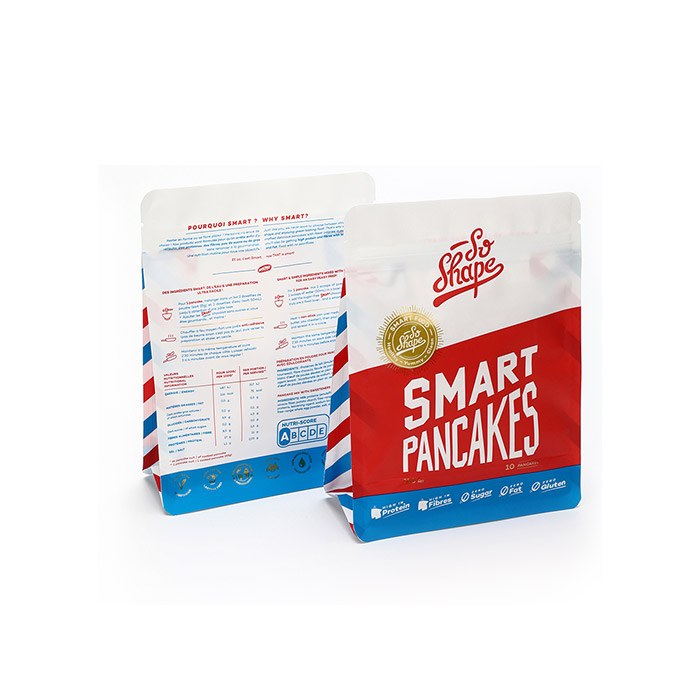
Suppliers sort flat bottom pouch sizes into small, medium, and large classes. Small flat-bottom bags suit single-serve coffee and sample snacks. Medium flat bottom pouches fit retail coffee bags and family snack packs. Large flat bottom pouches hold pet food and bulk staples. Most standard flat bottom pouch sizes follow this pattern, and the 8 x 5 x 3 inch example from the previous section sits in the medium range.
|
Size class |
Typical fill |
Common use |
|---|---|---|
|
Small |
Light, single-serve |
Coffee samples, snack singles |
|
Medium |
Moderate |
Retail coffee, family snacks |
|
Large |
Heavy or bulky |
Pet food, bulk staples |
Treat the table as a map, not a spec sheet. Exact figures vary by supplier. Each flat bottom bag carries its own exact numbers, and a flat bottom pouch capacity figure depends on fill level. Compare capacities across suppliers before you commit.
A flat bottom pouch size chart lists height, width, gusset, and fill weight for each stock option. Read the flat bottom pouch size first, then check the weight column. A flat bottom pouch sizes list built for coffee quotes different weights than one built for snacks, even at the same volume. Standard flat bottom pouch sizes assume a typical fill density. Light products need more room per ounce, so flat-bottom bags for chips run larger than flat-bottom bags for dense goods.
Density changes everything. A dense product packs more mass into the same flat bottom pouch. A light product needs a bigger flat bottom pouch to reach the same weight. Check the flat bottom pouch sizes against your own product, not the chart's default. Many flat bottom pouches with zipper closures need headroom below the zipper, and that headroom eats into usable capacities. A custom flat-bottom pouch solves this when stock capacities fall short.
Run the math on your product first. Multiply height by width by gusset to get usable volume, then compare that number to the flat bottom pouch sizes on the chart. Standard flat bottom pouch sizes cover most needs. Standard flat bottom bag sizes cover the rest. When neither fits, ask for a sample. A flat bottom pouch that matches your volume and your weight saves you a costly reorder.
A flat bottom pouch size that looks right on paper can still fail in practice. Weigh your filled product, then match that weight to the flat bottom pouch sizes you shortlisted. The flat bottom pouch you choose should hold your target weight with a clean seal. Check flat bottom pouch sizes for your heaviest batch, not your average one. A flat-bottom bag rated for light loads will strain under dense goods. Note the capacity of each flat bottom pouch on your shortlist. Compare those capacities side by side. The flat bottom pouch with the best capacity margin wins.
Pull the flat bottom pouch sizes that fit your weight range. Then confirm each flat bottom pouch against a real fill. A flat bottom pouch with spare capacity seals cleaner. Test the flat bottom pouch sizes you like before you order. Order a sample of the flat bottom pouch that fits best before you commit to a full run.
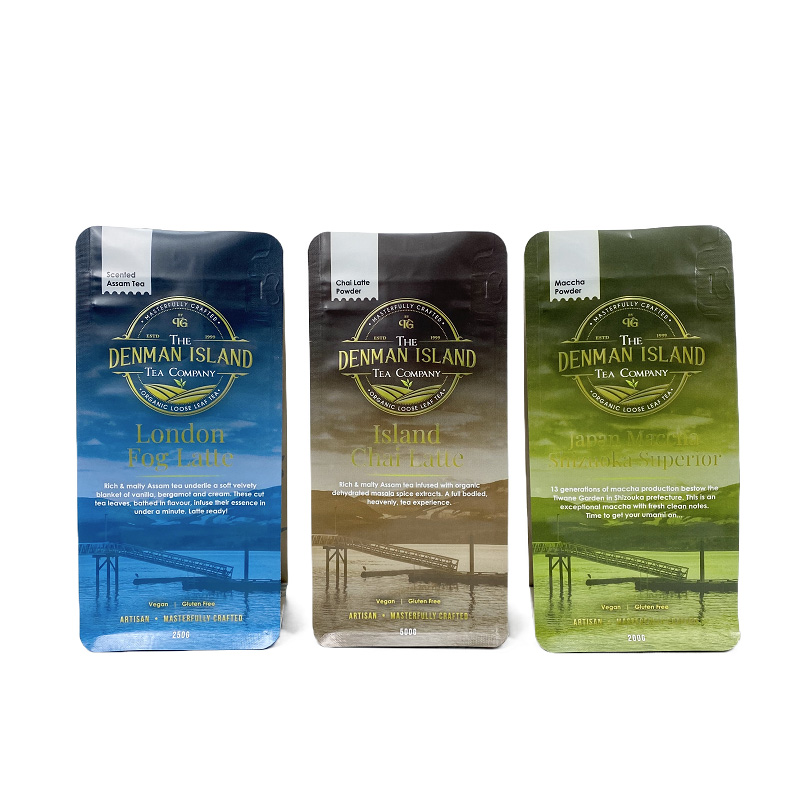
Product type and density drive every sizing decision. A dense item packs more mass into a small space. A light, airy item needs far more room to reach the same weight. Picture coffee beans against potato chips. A flat bottom pouch holding a pound of beans stays compact. The same weight of chips demands a much larger flat bottom pouch. Weigh your product, then compare that weight against the fill weight printed on each stock option.
Filling method matters just as much. Hand filling leaves more room for error than an automated line. Machine filling rewards tight, consistent dimensions. Sealing needs shape the top of the bag, too. Flat bottom pouches with zipper closures need headroom below the zipper for a clean seal. Leave too little room, and the seal fails or the zipper jams.
Display requirements finish the picture. Shelf space, facing width, and stacking height all constrain your choice. A tall flat bottom bag may not fit a low shelf. A wide one may crowd its neighbors. Measure the shelf before you measure the bag.
Start with product weight and density, then work outward. Take the 8 x 5 x 3 inch example from earlier. That pouch holds 120 cubic inches of volume. Fill it with dense coffee, and you approach its weight limit well before you fill the space. Fill it with light snacks, and you run out of room long before you hit the weight limit. The same flat bottom pouch size serves one product well and the other poorly.
Selecting pouch sizes becomes easier once you test both limits. Check fill volume and headspace against the weight rating. Whichever limit you hit first sets your true capacity. A dense product usually hits the weight limit first. A light product usually hits the volume limit first.
Selecting pouch sizes for a mixed product line adds a wrinkle. You may need two or three flat bottom pouch sizes to cover the range. Choosing the perfect flat bottom pouch size for each SKU beats forcing one size across the catalog. A custom flat-bottom pouch solves the odd item that fits no stock option.
Filling method and sealing needs narrow the field further. Flat-bottom bags run on automated lines need consistent dimensions batch to batch. Hand-filled flat bottom pouches tolerate more variation. Flat bottom pouches for retail display also need a front panel wide enough for your label. Weigh all these factors together before you commit. Good size selection balances weight, volume, filling, sealing, and shelf fit in one decision.
Stock sizes cover most products, but some items fall between the standard options. A long, narrow product or an unusually dense one may need custom flat bottom pouch sizes. Bioflexi supports custom flat bottom pouch sizing and sample testing for readers who need a non-standard fit. You can request custom flat bottom pouch sizes that match your exact volume, weight, and shelf plan.
Choosing custom flat bottom pouch sizes pays off when no stock option seals cleanly or displays well. A custom flat-bottom pouch also helps when your label needs a specific panel width. Start with your measured volume, then ask for custom flat bottom pouch sizes built around it. The best flat bottom bags supplier will walk you through samples before production. A custom flat bottom pouch removes the compromise of forcing your product into a stock bag. Every flat bottom pouch you order should earn its space on the shelf.
Each pouch style fits a different job. Flat bottom pouches stand square and stack well, so they suit retail shelves and heavier goods. Stand-up pouches also stand on their own, and they work well for lighter products and flexible display. Bulk bags carry large volumes for transport and storage.
|
Style |
Best fit |
|---|---|
|
Flat bottom pouch |
Retail shelf display, heavier or bulkier goods |
|
Stand-up pouch |
Lighter products, flexible display |
|
Bulk bag |
Large-volume transport and storage |
Flat bottom bulk bags differ from spout bottom bulk bags mainly by lacking a bottom discharge option. A spout bottom bag empties from the base, which suits fast unloading. A flat bottom pouch with a zipper reseals for repeated use, and flat-bottom bags hold their shape on a shelf. Flat bottom pouches with zipper closures need headroom, so factor that into your flat bottom pouch size choice. Compare flat bottom pouch sizes against your filling line before you decide. A flat bottom pouch holds its shape under load, and flat bottom pouches stack neatly in a carton. A flat bottom bag with a wide base also resists tipping on a crowded shelf. Many flat-bottom bags also ship flat, which saves warehouse space.
A sample test settles the question faster than any chart. Request a few flat bottom pouch sizes from your shortlist, then run the same routine on each one.
Fill the pouch to your target weight.
Seal the top and check the seam for wrinkles or gaps.
Set the filled bag on a flat surface and watch for tipping.
Stack several bags and note any sag or lean.
Place one on a mock shelf and judge the label panel.
A flat bottom pouch that passes all five steps earns a place in your next round. Pay close attention to flat bottom pouches with zipper closures during step two. The zipper needs clear headroom, and a rushed seal shows up here first. Run the test with your heaviest batch, not an average one. Testing and ordering the right flat bottom pouch size works best as one continuous loop, so note every failure and adjust before you move on.
Ordering the right flat bottom pouch size comes down to matching your test results to a supplier's stock list or a custom spec. Confirm the height, width, and gusset of your winning sample in writing. Ask for the fill weight rating and compare it against your measured product weight. Bioflexi can guide you through sample requests and first orders, and that support shortens the back-and-forth considerably.
Keep your first run modest. A small production batch lets you confirm that flat-bottom bags perform the same on your filling line as they did in the sample test. Testing and ordering the right flat bottom pouch size rewards patience here. If no stock option matches your sample, a custom flat-bottom pouch built to your measured volume removes the compromise. Ordering the right flat bottom pouch size starts with one good sample and ends with a spec you can reorder with confidence.
You now have a repeatable process. Measure your product, review standard sizes and the size chart, then weigh density and filling method against shelf needs. Decide between stock and a custom flat-bottom pouch, and test samples before you commit. Each step builds on the last, and each one protects your order.
Bioflexi supports custom sizing and sample testing, so you can confirm fit before production. A flat bottom bag that passes your sample test earns its place. Apply these steps, request your samples, and place a well-informed order with confidence. Your flat bottom pouch will fit, seal, and display exactly as planned, and your flat bottom bags will arrive ready for the shelf.
Measure your product at its tallest, widest, and deepest points. Multiply those three numbers to get usable volume. Then compare that volume and your filled weight against a supplier's size chart. Pick the size that holds your heaviest batch with clean seals and spare headroom.
Start with stock sizes. They cover most coffee, snack, and pet food needs at lower cost and shorter lead times. Choose a custom flat-bottom pouch only when no stock option seals cleanly or fits your shelf plan. Test a sample of either option before you commit.
Yes. Dense goods like coffee hit the weight limit before the volume limit. Light goods like chips hit the volume limit first. Weigh your product and check both limits on the size chart. Whichever limit you reach first sets your true capacity.
Always test samples first. Fill each candidate to your target weight, seal it, and check for tipping, stacking sag, and label visibility. Run the test with your heaviest batch. A flat bottom bag that passes all checks earns a place in your first order.
Yes. Bioflexi supports custom sizing and sample testing. Share your measured volume and target weight, and the team can match you to a stock option or build a custom spec. You confirm fit before production, so your first order arrives ready for the shelf.
Si quieres trabajar con nosotros o simplemente quieres contactarnos, ¡nos encantaría saber de ti!

Derechos de autor
@ 2026 Shanghai BioPouches Co., Ltd Reservados todos los derechos
. RED SOPORTADA
dejar un mensaje