

Autor
Marie R. Winters


Recyclable stand-up pouches give food brands a way to combine convenient packaging, strong shelf presentation, and more responsible material choices. For food manufacturers, private-label businesses, wholesalers, and retailers, however, choosing a recyclable pouch involves more than replacing one type of plastic with another. The material structure must protect the product, work with the filling process, and fit the recycling systems available in the target market.
The right pouch depends on what you are packing. Granola and dried fruit have different moisture and oxygen sensitivity from coffee, nuts, or powdered foods. Before placing a bulk order, buyers should compare film structures, barrier requirements, seals, closures, printing options, and the end-of-life claims that can be supported in their market.
For brands developing sustainable food packaging, custom stand-up pouches can be configured around product protection, shelf display, and packaging line requirements.
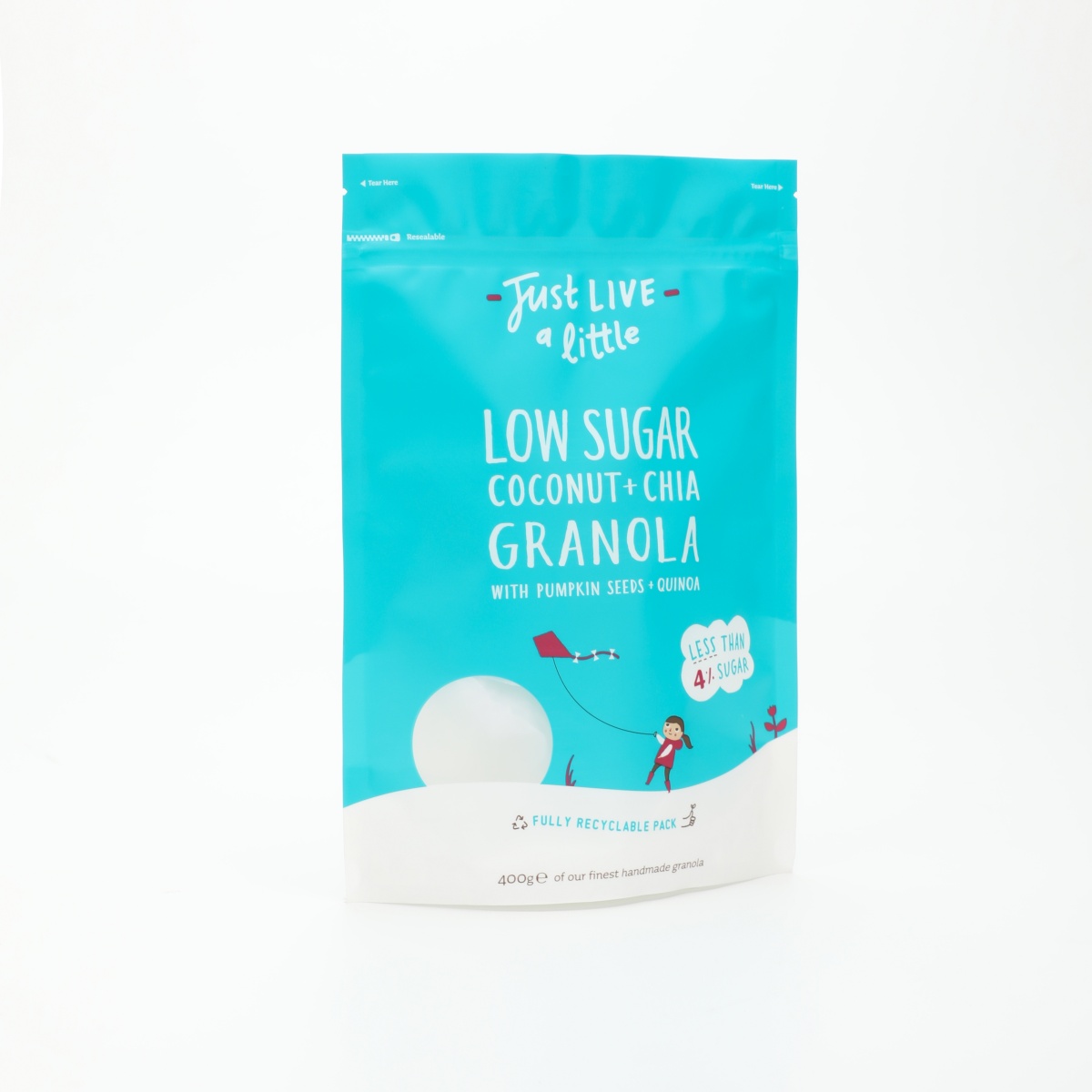
Example of a stand-up pouch for dry food packaging.
A stand-up pouch is a flexible bag with a bottom gusset that expands when filled, allowing it to stand upright on a retail shelf. A recyclable version is designed with a material structure intended to be compatible with an appropriate recycling stream. Many traditional flexible food packs combine several different materials to achieve high barrier performance. These structures can be difficult to recycle together when the layers cannot be separated efficiently.
One approach is to use a mono-material structure, such as a polyethylene-based design, instead of a combination of unrelated polymers. The actual recyclability of a pouch still depends on its complete construction, local collection and sorting systems, and recycling guidelines. A package should not be described as recyclable everywhere simply because it uses a recyclable polymer.
For wholesale buyers, it is useful to request the full material structure and supporting documentation from the packaging supplier before approving artwork or production.
Mono-PE structures: Polyethylene-based pouch structures are commonly considered when recyclability is a priority. They can offer flexibility, durability, heat-sealing performance, and resealable closure options. Their barrier performance depends on the specific film design and thickness, so buyers should confirm suitability for products that are sensitive to oxygen or moisture.
PE structures with barrier layers: Some food products need stronger protection than a basic polyethylene film can provide. Barrier layers or coatings may be incorporated to improve resistance to oxygen or other external factors. Buyers should confirm whether the complete structure remains compatible with the intended recycling pathway rather than evaluating only the main polymer.
PCR materials: Post-consumer recycled (PCR) content reuses material recovered after consumer use. PCR may help brands reduce their reliance on virgin plastic, but the permitted percentage, material quality, appearance, and food-contact suitability must be checked for the specific application. PCR content and recyclability are related sustainability considerations, but they are not the same claim.
Paper-based laminates: Paper can provide a natural appearance that suits premium or environmentally positioned brands. However, a paper-look pouch is not automatically recyclable with ordinary paper. Plastic coatings, barrier layers, inks, and adhesives can affect disposal options, so the full structure needs to be assessed.
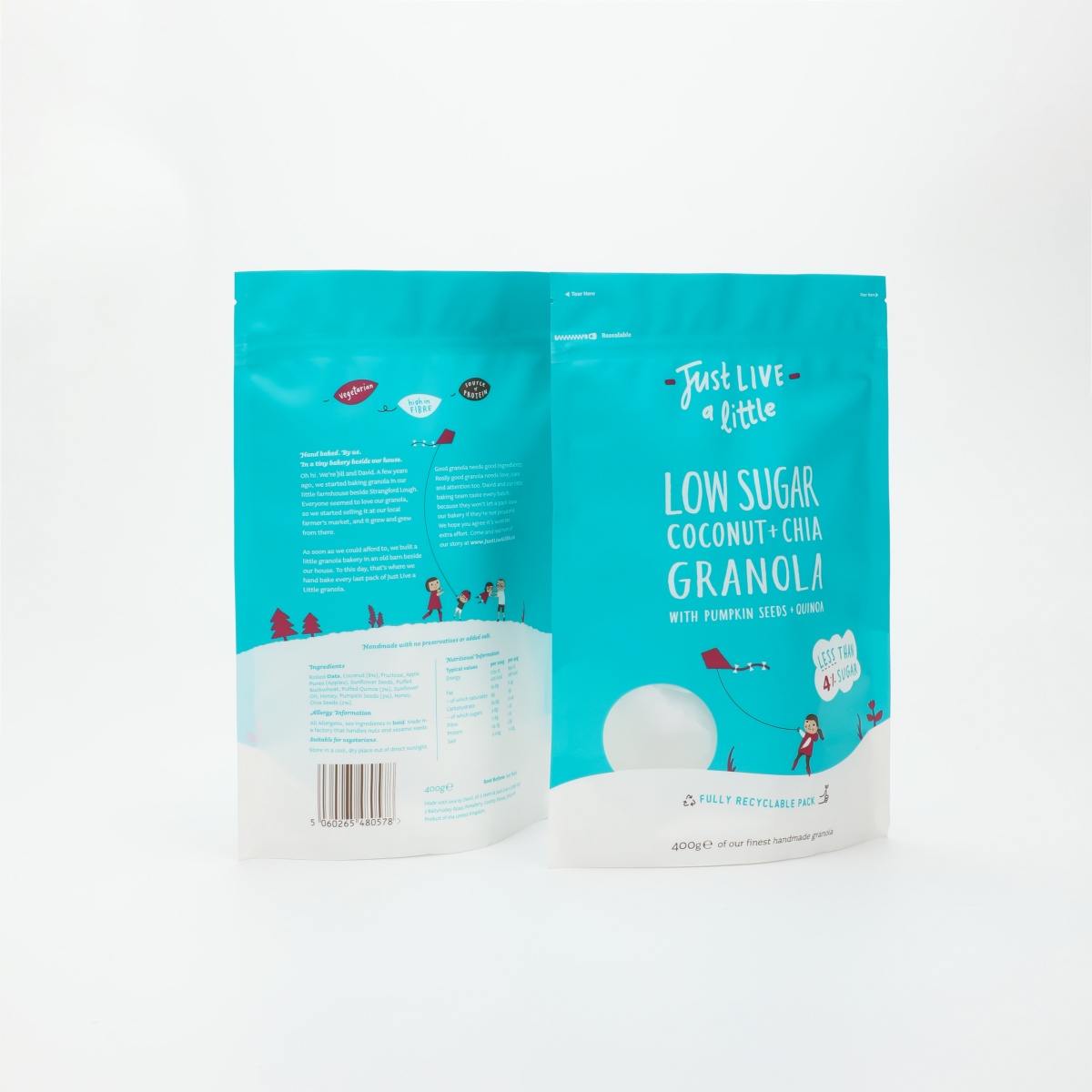
Front and back pouch panels can provide space for branding and product information.
A recyclable pouch still needs to protect the contents throughout filling, shipping, storage, and retail display. The most suitable structure depends on the product's sensitivity and expected shelf life.
There is no single barrier specification that works for every food. Buyers should provide the supplier with the product type, target shelf life, storage conditions, filling temperature, and distribution environment. Where needed, request barrier data and conduct shelf-life or packaging compatibility tests before moving to full production.
Snacks, nuts, and granola: Resealable pouches are practical for products consumed over several occasions. A zipper helps users close the pack after opening, while the stand-up base improves shelf visibility. Moisture and oxygen protection should be matched to the recipe and intended shelf life.
Coffee and tea: Coffee beans and ground coffee can be sensitive to oxygen, moisture, and aroma loss. A recyclable pouch may be suitable when its barrier performance meets the product's requirements. Degassing valves and other features should be reviewed for compatibility with the chosen material structure and recycling goals.
Pet food and treats: Dry pet food and treats often require durable packaging, aroma retention, and reliable resealing. Buyers can explore PCR stand-up pouch options as a reference for recyclable and recycled-material packaging formats.
Powders, grains, and dried ingredients: Stand-up pouches can be produced in different sizes for protein powders, seeds, rice, and dry ingredients. For fine powders, pay particular attention to seal contamination during filling, zipper performance, and the risk of moisture entering the pack after opening.
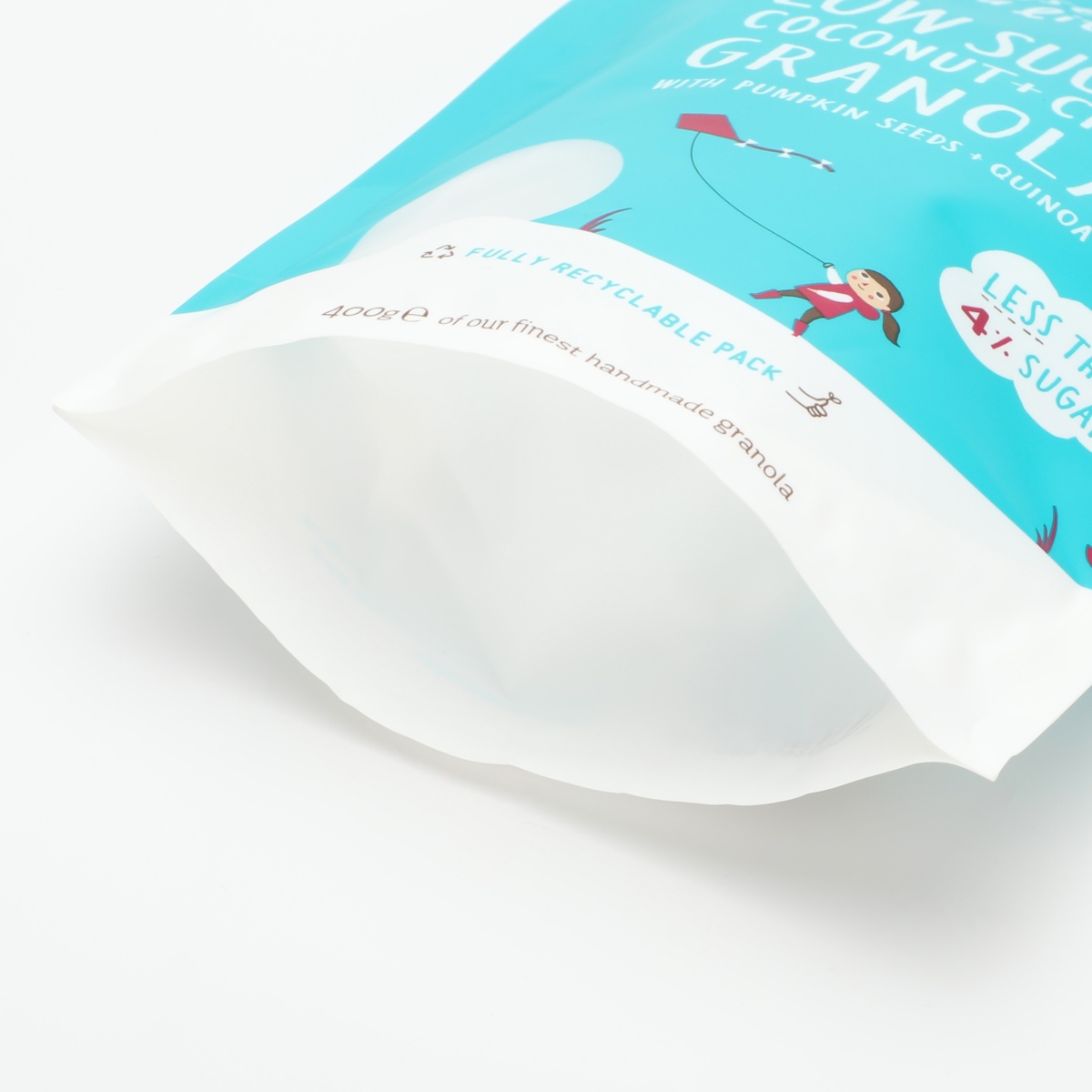
The bottom gusset supports upright display and helps the pouch stand when filled.
For a custom or wholesale order, it is worth confirming the technical details before approving a production sample. A clear specification helps avoid unexpected changes to performance, appearance, or cost.
It is also important to check whether the recycling instructions match the market where the product will be sold. Recycling infrastructure and labeling rules vary by country and region. If a brand sells internationally, packaging claims should be reviewed for each target market rather than relying on a broad environmental statement.
The best pouch is the one that balances product protection, practical use, production requirements, and credible sustainability claims. A material that works well for granola may not be the right choice for roasted coffee or oily snacks, so specifications should be developed around the actual product.
Bioflexi offers customizable packaging formats and material options for food and dry-goods applications. Buyers can review the available food packaging products and discuss pouch dimensions, material structures, printing, and closure options with the supplier. Before ordering in bulk, request samples and confirm the technical requirements for your product and target market.
1. What material is commonly used for recyclable stand-up pouches?
Mono-material polyethylene (PE) structures are commonly considered for recyclable flexible packaging. The right structure depends on the required barrier performance, sealability, product compatibility, and the recycling systems available in the destination market.
2. Are recyclable stand-up pouches suitable for all food products?
Not every structure suits every food. Dry snacks, granola, nuts, tea, coffee, and powders have different protection needs. Buyers should confirm moisture and oxygen barrier requirements and test the pouch with the actual product before bulk production.
3. Do recyclable pouches provide enough barrier protection?
They can provide suitable protection when the material structure is selected for the product. Barrier performance varies by film design and thickness, so ask the supplier for relevant technical data and conduct shelf-life testing when necessary.
4. Can recyclable stand-up pouches include zippers and windows?
Zippers, tear notches, and transparent windows may be available, depending on the design. Each component should be checked for compatibility with the main pouch material and the intended recycling pathway.
5. What information is needed for a custom wholesale quote?
Provide the product type, pouch size or target weight, preferred material, barrier needs, printing artwork, closure requirements, order quantity, and delivery destination. These details help the supplier recommend a suitable structure and provide a more accurate quotation.
Si quieres trabajar con nosotros o simplemente quieres contactarnos, ¡nos encantaría saber de ti!

Derechos de autor
@ 2026 Shanghai BioPouches Co., Ltd Reservados todos los derechos
. RED SOPORTADA
dejar un mensaje